
NEWS
Trump Reportedly Eyes BlackRock Executive Rick Rieder for Federal Reserve Chair Role

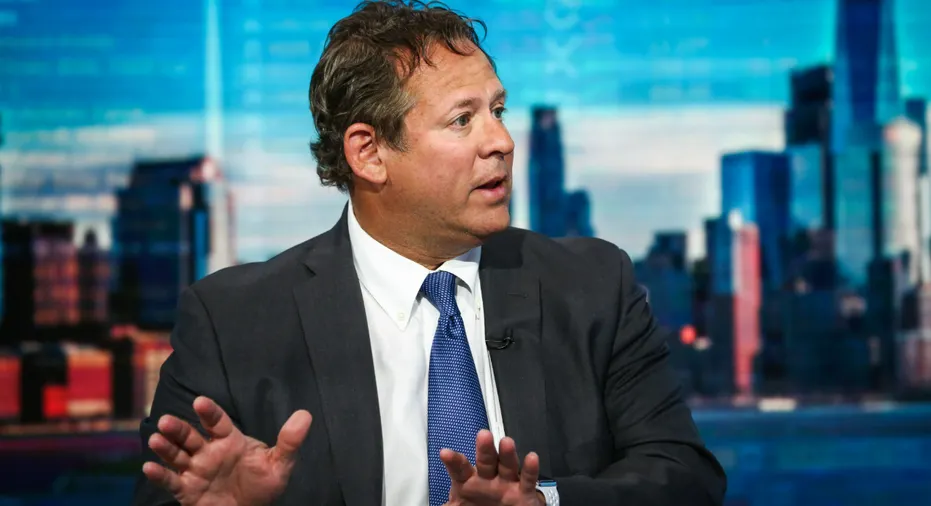
Trump Reportedly Eyes BlackRock Executive Rick Rieder for Federal Reserve Chair Role
Fresh speculation is swirling around the future leadership of the U.S. Federal Reserve after reports surfaced that former President Donald Trump is considering a major Wall Street figure for the powerful role. According to information highlighted in the image, Trump is expected to interview Rick Rieder, BlackRock’s Chief Investment Officer for Global Income, as a potential candidate for Federal Reserve Chair.
The report, shared by Fox News, suggests that the interview could take place this week, signaling that Trump is actively weighing his options as discussions around economic leadership intensify. Rieder is one of the most influential voices in global finance, overseeing trillions of dollars in fixed-income investments at BlackRock, the world’s largest asset manager. His potential move from Wall Street to the central bank would mark a significant shift in the relationship between financial markets and U.S. monetary policy.
Sources cited in the report indicate that Rieder is not the only name under consideration. Trump is also reportedly reviewing other experienced economic figures, including Kevin Warsh, a former Federal Reserve governor; Kevin Hassett, a longtime economic adviser; and Christopher Waller, a current Federal Reserve official. The range of candidates reflects a mix of market expertise, academic background, and previous central banking experience.
If confirmed, the choice of a Fed chair with deep ties to asset management could spark intense debate. Supporters may argue that someone like Rieder brings real-world market insight at a time of global economic uncertainty, inflation pressures, and geopolitical instability. Critics, however, could raise concerns about conflicts of interest and the influence of large financial institutions on monetary policy decisions.
The Federal Reserve Chair plays a critical role in shaping interest rate policy, controlling inflation, and maintaining financial stability. Any hint of a leadership change naturally draws strong reactions from investors, policymakers, and the public. Markets often respond quickly to such developments, as expectations around future rate cuts or hikes can shift dramatically based on who is perceived to be in charge.
While no official announcement has been made, the report underscores Trump’s continued influence in economic discussions and his preference for high-profile, experienced figures. As interviews reportedly move forward, attention will remain fixed on who ultimately emerges as the frontrunner—and what their leadership could mean for the future direction of the U.S. economy.

🚨 Trade Shockwave: Trump Defies Expectations With Sweeping 15% Global Tariff Move After Supreme Court Ruling

💪 Patrick Mahomes Putting in GRUELING 7-Hour Daily Rehab as He Pushes Toward 2026 Comeback

Chiefs Urged to Make Shocking Quarterback Move Amid Patrick Mahomes Injury Debate

Ambasadorowie USA wyrazili zaniepokojenie unijnym mechanizmem SAFE, który może wpłynąć na transatlantycką współpracę obronną. Co to oznacza dla NATO?

Ambasador USA odwiedzi Sejm po kontrowersyjnych wypowiedziach Czarzastego o Trumpie. Czy to oznacza nowe otwarcie w relacjach?

Nazwisko adwokata Ziobry pojawia się w prezydenckim projekcie ustawy. Co kryje się za tym zaskakującym odkryciem? Rzecznik prezydenta wyjaśnia.

Tusk szykuje mocny cios

🔥 Czy to początek końca dominacji? Jarosław Kaczyński przed największym wyzwaniem od lat! 🔥

Krzysztof Radzikowski, znany strongman, nie ukrywa swoich poglądów na temat Karola Nawrockiego. Co takiego powiedział o prezydencie?

🔥 Polityczne trzęsienie ziemi! Niesłychana reakcja Żurka po wecie Nawrockiego wywołała burzę w całym kraju 🔥

Nowa Lewica planuje zaskakujący ruch przed wyborami 2027. Czy sojusze zmienią układ sił na scenie politycznej? Poznaj szczegóły strategii.
