
NEWS
🚨 Trade Shockwave: Trump Defies Expectations With Sweeping 15% Global Tariff Move After Supreme Court Ruling

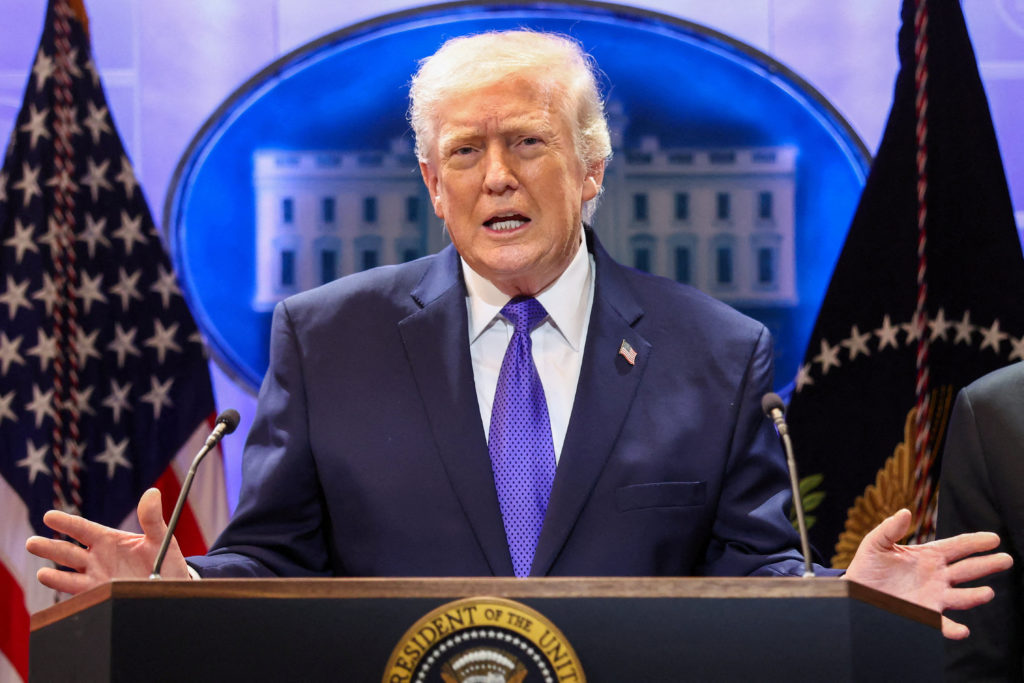
🚨 Trade Shockwave: Trump Defies Expectations With Sweeping 15% Global Tariff Move After Supreme Court Ruling
In a bold and controversial move, President Donald Trump has announced a sweeping increase in global tariffs, raising the baseline rate on imported goods to 15%, just days after a ruling from the Supreme Court of the United States reshaped parts of his earlier trade policy.
The decision is already sending shockwaves through global markets, with supporters praising the move as a strong stand for American workers, while critics warn it could trigger higher prices and renewed trade tensions.
Speaking after the court decision, Donald Trump defended the tariff increase as a necessary step to “protect American jobs and rebuild American manufacturing.” According to administration officials, the new 15% rate will apply broadly to imports from multiple trading partners, though certain strategic goods may receive exemptions.
The Supreme Court ruling had struck down key elements of a previous tariff framework, questioning the executive branch’s authority in specific trade enforcement actions. However, the new tariff structure appears to be crafted under revised legal justifications, signaling that the administration is determined to push forward with its “America First” trade agenda.
Financial markets reacted swiftly. Analysts noted fluctuations in major stock indexes and concerns from multinational corporations reliant on imported components. Business groups have expressed fears that higher import taxes could ultimately be passed on to consumers in the form of rising prices on everyday goods — from electronics to clothing and automobiles.
International reactions are also beginning to pour in. Trade officials in Europe and Asia have indicated they are reviewing the measure and considering possible responses. Some experts warn that retaliatory tariffs could follow, potentially escalating into a broader trade dispute.
Meanwhile, Trump’s supporters argue the move levels the playing field, claiming previous trade deals disadvantaged American industries. They believe the 15% tariff could boost domestic production and reduce reliance on foreign manufacturing.
As the debate intensifies, one thing is clear: this decision could have far-reaching consequences not only for the U.S. economy but also for global trade relationships.
Will this bold strategy strengthen America’s economy — or spark a costly trade battle?

🚨 Trade Shockwave: Trump Defies Expectations With Sweeping 15% Global Tariff Move After Supreme Court Ruling

💪 Patrick Mahomes Putting in GRUELING 7-Hour Daily Rehab as He Pushes Toward 2026 Comeback

Chiefs Urged to Make Shocking Quarterback Move Amid Patrick Mahomes Injury Debate

Ambasadorowie USA wyrazili zaniepokojenie unijnym mechanizmem SAFE, który może wpłynąć na transatlantycką współpracę obronną. Co to oznacza dla NATO?

Ambasador USA odwiedzi Sejm po kontrowersyjnych wypowiedziach Czarzastego o Trumpie. Czy to oznacza nowe otwarcie w relacjach?

Nazwisko adwokata Ziobry pojawia się w prezydenckim projekcie ustawy. Co kryje się za tym zaskakującym odkryciem? Rzecznik prezydenta wyjaśnia.

Tusk szykuje mocny cios

🔥 Czy to początek końca dominacji? Jarosław Kaczyński przed największym wyzwaniem od lat! 🔥

Krzysztof Radzikowski, znany strongman, nie ukrywa swoich poglądów na temat Karola Nawrockiego. Co takiego powiedział o prezydencie?

🔥 Polityczne trzęsienie ziemi! Niesłychana reakcja Żurka po wecie Nawrockiego wywołała burzę w całym kraju 🔥

Nowa Lewica planuje zaskakujący ruch przed wyborami 2027. Czy sojusze zmienią układ sił na scenie politycznej? Poznaj szczegóły strategii.
